Sales Structure
Review sales by day, time, menu, channel, and customer segment.
Weak sales rarely have a single cause. We separate customer count, average ticket, repeat visits, cost structure, menu contribution, labor, and customer experience to set priorities.
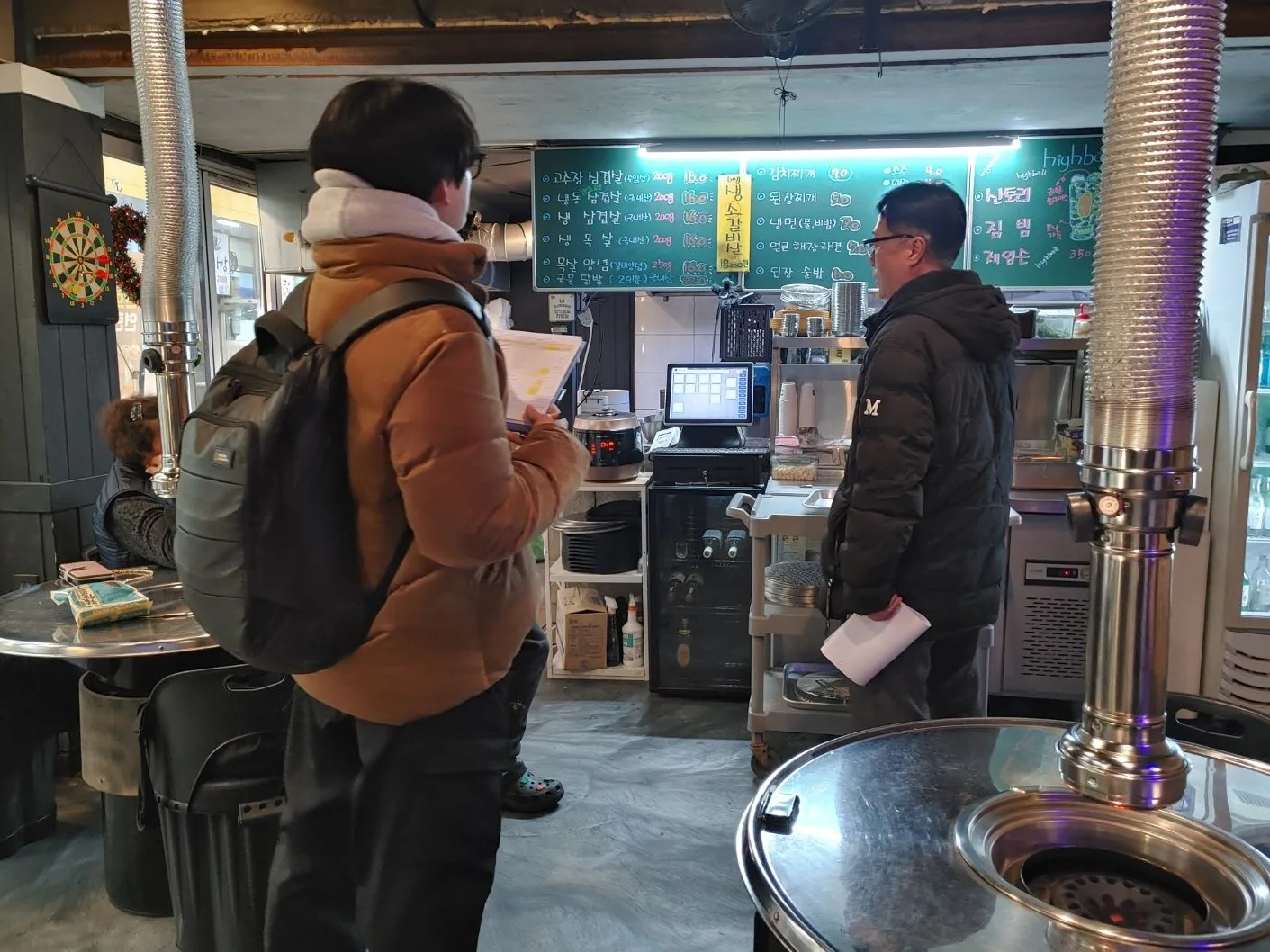
Review sales by day, time, menu, channel, and customer segment.
Analyze contribution margin, yield, waste, pricing, and preparation complexity.
Find friction in search, reservation, order, waiting, service, payment, and review response.
Compare improvement, repositioning, and business-conversion options using cost and risk.
The detailed scope and deliverables are adjusted to the project.
The detailed scope and deliverables are adjusted to the project.
The detailed scope and deliverables are adjusted to the project.
The detailed scope and deliverables are adjusted to the project.
Diagnose sales, menu, marketing, costs, people, customers, and store operations using actual operating data.
Break sales into customer count, average ticket, visit frequency, and channel performance.
Improve menu architecture using sales performance, margin, preparation efficiency, and brand direction.
Connect search, local visibility, social media, delivery channels, and offline promotion to store operations.
Improve profitability and consistency through cost, people, customer, and store standards.
Tell us your country, business stage, budget, location, and current challenge. We will identify the right first step.