Concept Feasibility
Match the founder’s experience, budget, time, and operating style with the business model.
A good idea is not enough. We test the concept against customer demand, investment capacity, location economics, operating capability, and realistic sales assumptions.
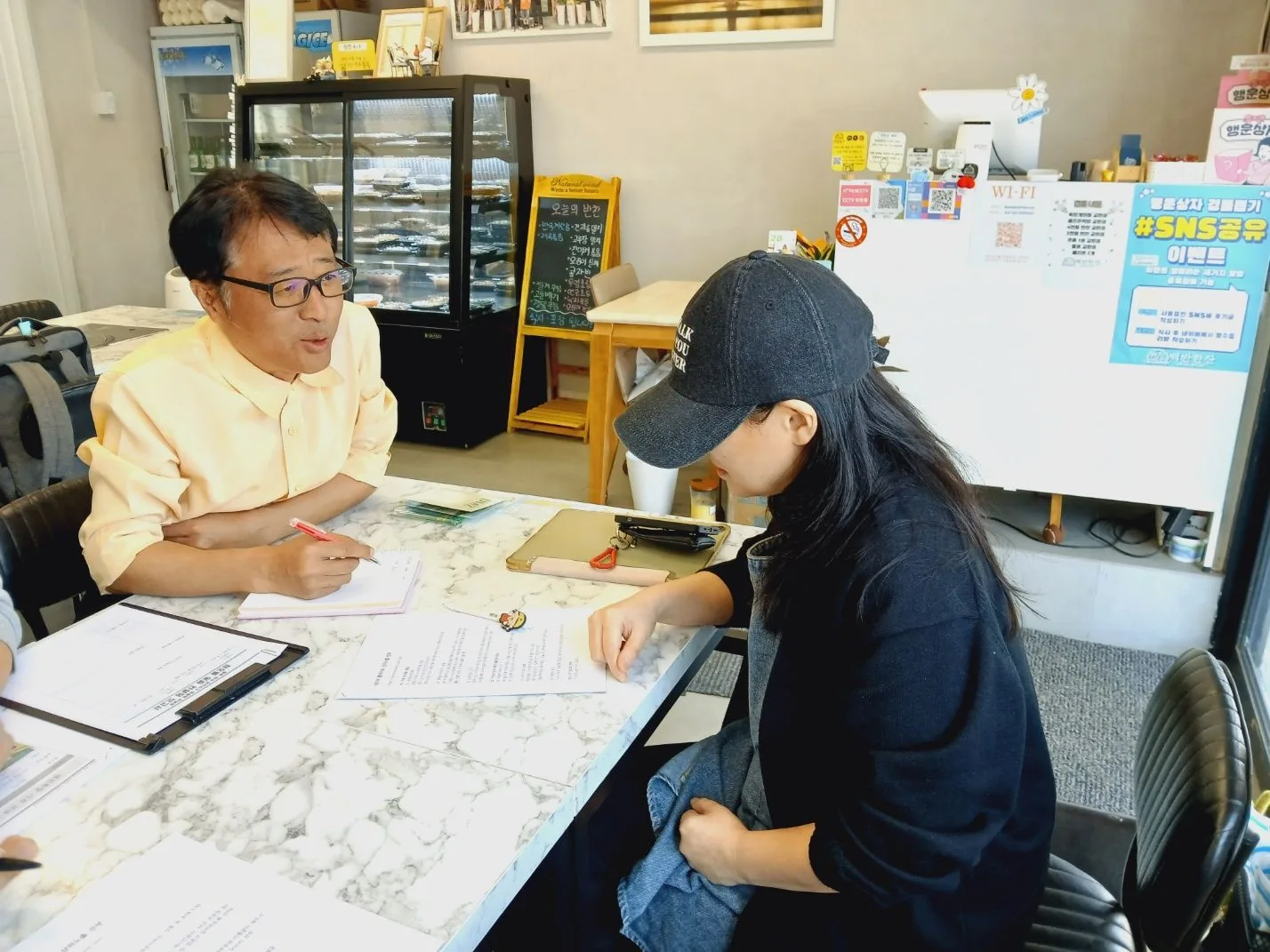
Match the founder’s experience, budget, time, and operating style with the business model.
Review demand, competition, access, visibility, rent, and target sales.
Separate setup costs and working capital, then test the break-even structure.
Design the menu, staffing, procurement, marketing, and opening checklist.
The detailed scope and deliverables are adjusted to the project.
The detailed scope and deliverables are adjusted to the project.
The detailed scope and deliverables are adjusted to the project.
The detailed scope and deliverables are adjusted to the project.
Support from startup preparation and business selection to location analysis, business planning, and launch execution.
Convert an idea into an executable startup plan with clear checkpoints.
Choose a business category that fits the founder, budget, market, and operating capability.
Analyze demand and competition by market type before selecting a store.
Turn the concept into numbers, schedules, responsibilities, and operating assumptions.
Design a startup plan using the operating structure and customer behavior of each food-service category.
Tell us your country, business stage, budget, location, and current challenge. We will identify the right first step.